
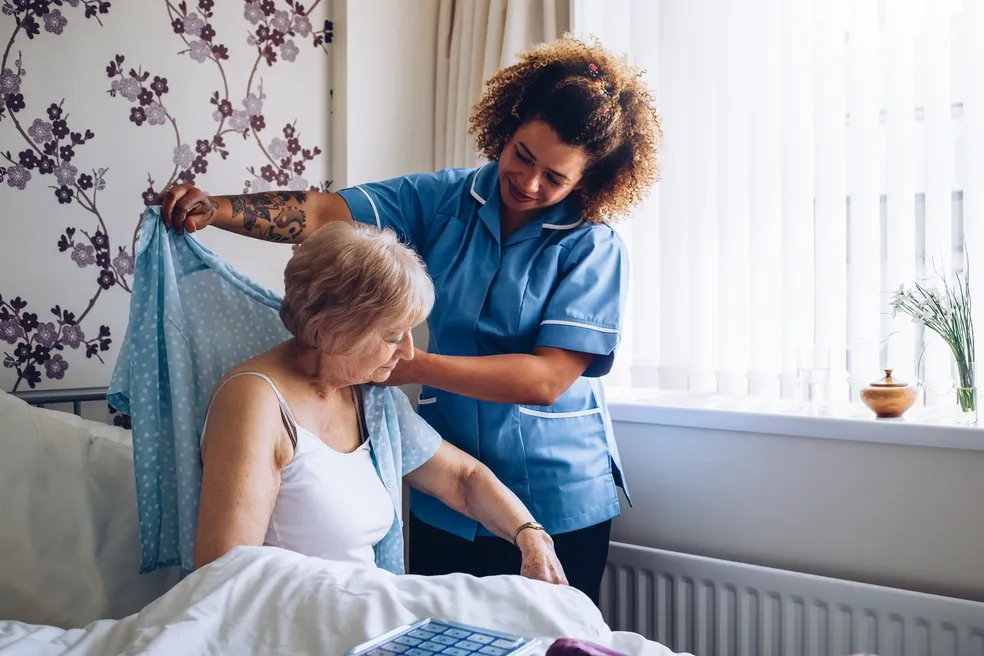
Tips for Talking to Your Loved One About Accepting Help at Home
Talking to a loved one about accepting help at home can be one of the most emotionally challenging conversations a family member faces. Many people strongly value their independence and may see the need for assistance as a loss of control or dignity. At the same time, family members often feel worried about safety, health, and overall well-being.
Approaching this conversation with care, empathy, and patience can make all the difference. When done thoughtfully, it can open the door to support that improves quality of life while still honoring your loved one’s wishes.
Why This Conversation Is Important
As people age or deal with chronic illness, injury, or mobility challenges, everyday tasks can slowly become more difficult. Cooking, cleaning, bathing, managing medications, or getting to appointments may require more energy or support than before. When these needs go unmet, the risk of falls, missed medications, loneliness, and health complications increases.
Talking early about in-home help allows decisions to be made calmly, rather than during a crisis. It also gives your loved one time to process the idea and feel involved in the decision.
1. Choose the Right Time and Setting
Timing matters. Avoid starting the conversation during stressful situations, arguments, or medical emergencies. Instead, choose a quiet, private moment when you both feel calm and unhurried. A relaxed environment makes it easier for your loved one to listen and share their thoughts openly.
2. Lead With Care and Concern, Not Criticism
Focus on your love and concern rather than pointing out mistakes or limitations. For example, instead of saying, “You can’t manage on your own anymore,” try “I care about you and want to make sure you’re safe and comfortable.”
This approach keeps the conversation supportive rather than defensive.
3. Listen More Than You Speak
Give your loved one the opportunity to express their fears, concerns, and feelings. They may worry about losing privacy, having a stranger in their home, or being treated differently. Listening without interrupting helps build trust and shows respect for their perspective.
4. Emphasize Independence, Not Dependence
Many people assume that accepting help means giving up independence. In reality, in-home care often protects independence by supporting daily activities that have become challenging.
Explain that help at home can allow them to:
-
Stay in their own home longer
-
Avoid unnecessary hospital visits
-
Save energy for activities they enjoy
-
Maintain routines and personal preferences
Framing care as a tool for independence can shift how they view it.
5. Involve Them in Every Decision
People are more comfortable accepting help when they feel in control. Involve your loved one in decisions such as:
-
What type of help they want
-
How often care is provided
-
What tasks the caregiver assists with
When they have a voice in the process, care feels like a partnership rather than something forced upon them.
6. Share Gentle, Real-Life Examples
If your loved one doesn’t recognize the need for help, calmly mention specific situations you’ve noticed—such as missed medications, recent falls, or difficulty keeping up with household tasks. Keep the tone caring and factual, not accusatory.
7. Suggest Starting Small
If your loved one is hesitant, suggest trying help on a limited basis. A few hours a week or assistance with just one task can help them adjust slowly. Once they experience the benefits, they may become more open to additional support.
8. Be Patient and Respect Their Feelings
Acceptance may not happen after one conversation. That’s okay. Give your loved one time to think and revisit the discussion later. Patience and consistency often lead to better outcomes than pressure or urgency.
9. Avoid Guilt or Pressure
Avoid statements that create fear or guilt, such as “You’ll force me to quit my job” or “Something bad will happen if you don’t agree.” These can damage trust and increase resistance. The goal is understanding, not persuasion.
Final Thoughts
Talking to a loved one about accepting help at home is an act of love and care. When approached with empathy, honesty, and patience, the conversation can lead to solutions that improve safety, comfort, and quality of life—without taking away dignity or independence.
Remember, accepting help is not a sign of weakness. It’s a step toward living more comfortably and confidently at home, with the right support in place.