
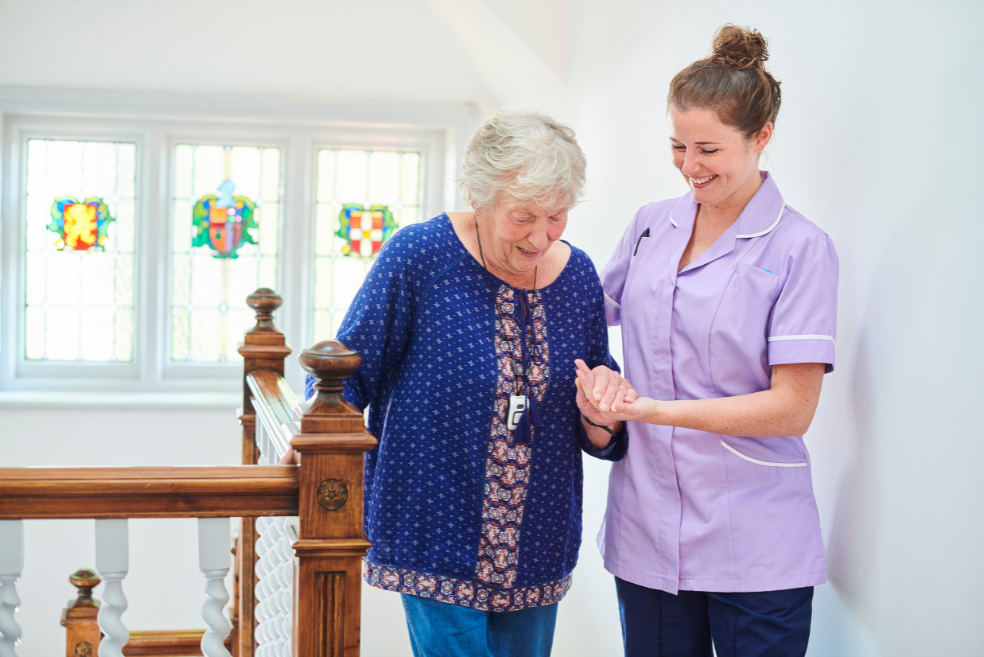
Fall Prevention Tips for Seniors at Home
Falls are one of the most common safety concerns for older adults, especially at home. As we age, changes in balance, vision, muscle strength, and mobility can make everyday activities more challenging and increase the risk of falling.
The good news is that many falls can be prevented with a few simple changes to the home and daily routine. Creating a safer environment can help seniors remain independent, confident, and comfortable in their own homes.
At Rely Homecare, we understand how important it is for seniors to feel safe and supported at home. Here are some practical fall prevention tips for seniors and their families.
Why Fall Prevention Is Important for Seniors
A fall can have a significant impact on an older adult’s health and independence. Even a minor fall can result in bruises, fractures, fear of falling again, or reduced mobility.
Preventing falls is not only about removing hazards. It also involves maintaining physical strength, encouraging safe movement, and making sure seniors have the right support when they need it.
1. Keep Walkways Clear
One of the easiest ways to reduce fall risks is to keep floors and walking areas free of obstacles.
Remove or secure:
- Loose rugs and mats
- Electrical cords
- Shoes and clothing left on the floor
- Small furniture blocking walkways
- Clutter around stairs and hallways
Make sure there is enough room to walk comfortably between furniture and other household items.
2. Improve Lighting Throughout the Home
Poor lighting can make it difficult for seniors to see obstacles, steps, and changes in floor levels.
Consider:
- Using bright, easily accessible lights
- Adding nightlights in hallways and bathrooms
- Keeping stairways well lit
- Placing lamps near beds and frequently used chairs
- Replacing burned-out light bulbs promptly
Seniors should be able to easily turn on a light before walking through a dark room or hallway.
3. Make the Bathroom Safer
Bathrooms can be particularly dangerous because wet surfaces can become slippery.
Helpful safety improvements include:
- Installing grab bars near the toilet and shower
- Using non-slip bath mats
- Keeping floors dry
- Adding a shower chair when appropriate
- Installing a handheld showerhead
- Making sure frequently used items are easy to reach
Avoid using towel racks or other unstable fixtures for support.
4. Use Handrails on Stairs
Stairs can present a serious fall risk for older adults. Make sure stairways have sturdy handrails that are easy to grip.
Keep stairs free of objects and make sure each step is clearly visible and well lit.
If climbing stairs has become difficult or unsafe, families may also consider arranging living spaces so that essential activities can take place on one floor.
5. Choose Safe, Supportive Footwear
Proper footwear can help seniors maintain better balance while walking.
Encourage shoes that:
- Fit properly
- Have non-slip soles
- Provide good support
- Stay securely on the feet
Avoid walking around the home in loose slippers, socks without grips, or footwear that does not fit properly.
6. Encourage Regular Physical Activity
Staying physically active can help support strength, flexibility, coordination, and balance.
Depending on a senior’s abilities and recommendations from their healthcare provider, activities such as walking, gentle stretching, balance exercises, or strength exercises may be beneficial.
Regular movement can also help seniors maintain confidence in their ability to perform everyday activities safely.
7. Keep Frequently Used Items Within Reach
Seniors should avoid standing on chairs, stools, or unstable surfaces to reach items.
Keep commonly used items at an accessible height. If something is stored in a high cabinet, ask a family member or caregiver for assistance rather than attempting to reach it alone.
8. Review Medications With a Healthcare Professional
Some medications or combinations of medications may cause side effects such as dizziness, drowsiness, or changes in blood pressure.
If a senior experiences dizziness or unsteadiness, speak with their healthcare provider about their medications. Never stop or change prescribed medication without professional guidance.
9. Encourage Seniors to Use Mobility Aids Properly
Canes, walkers, and other mobility devices can provide valuable support when used correctly.
Make sure the device is appropriate for the individual’s needs and properly adjusted. Seniors and caregivers should follow healthcare professionals’ recommendations regarding the safe use of mobility equipment.
10. Consider Additional Support at Home
Sometimes the best way to prevent falls is to make sure a senior does not have to manage everything alone.
A professional caregiver can provide assistance with everyday activities such as:
- Walking and mobility
- Bathing and personal care
- Meal preparation
- Light housekeeping
- Medication reminders
- Getting around the home
- Everyday companionship
Having a trusted caregiver nearby can provide both practical assistance and peace of mind for seniors and their families.
Create a Safer Home for Your Loved One
Fall prevention starts with small, practical steps. Clearing clutter, improving lighting, making bathrooms safer, encouraging appropriate physical activity, and providing assistance when needed can make a meaningful difference in a senior’s safety and independence.
At Rely Homecare, we are committed to helping seniors receive compassionate care and support in the comfort of their own homes. Our caregivers can assist with daily activities while providing companionship and an added layer of safety.
If you are concerned about your loved one’s safety at home, Rely Homecare is here to help. Contact us today to learn more about our homecare services and how we can support your family.